
Video: Hundreds of Cats and Dogs Bled, Warehoused Until Death at Blood Bank Supplying Major Veterinary Chains
Update (April 2, 2024): After hearing from tens of thousands of PETA supporters, BluePearl Pet Hospital and VCA Animal Hospitals—two veterinary chains that bought blood from The Veterinarians’ Blood Bank (TVBB)—confirmed that they’re no longer purchasing blood products from TVBB. But our work isn’t done, please take action below to ask these animal hospitals to confirm that they’ve permanently stopped sourcing blood from TVBB and urge them to implement a policy against sourcing blood from captive animals.
Update (February 7, 2024): After an undercover PETA investigation found that animals kept captive at TVBB were elderly, emaciated, sick, and being denied adequate veterinary care, the Indiana State Board of Animal Health confirmed many of our findings. During inspections of TVBB’s dog and cat facilities, a state veterinarian noted that animals, including seniors, were bled more frequently and at well past the age that blood banking and transfusion safety standards dictate. She found dogs kept in rusty kennels without bedding as well as cats with eye discharge and serious dental issues, and every dog whose teeth she examined had “moderate to severe” dental disease.
Update (January 25, 2024): After hearing from PETA and thousands of supporters like you about the suffering and lifelong confinement of hundreds of animals at TVBB, PetVet Care Centers dropped the crude operation as a supplier of blood products to its veterinary hospitals.
Original post:
As reported by The New York Post, a PETA undercover investigation into The Veterinarians’ Blood Bank (TVBB)—a business in Indiana that keeps 900 dogs and cats perpetually confined to barren kennels and crowded pens and sells their blood to veterinary clinics—found that workers bled animals who were elderly, emaciated, and sick with upper respiratory infections, bone cancer, and other issues. Many of the animals were born and bred at TVBB, although the facility acquired some as strays or from staff who answered ads seeking homes for unwanted animals.
According to TVBB, several major veterinary hospital chains with locations across the U.S. purchase blood taken from these animals.

Animals ‘Just Stay Here Until They Die’
Tucked away off quiet Indiana roads—kept “hush-hush” by management, as one worker explained—TVBB confines approximately 360 dogs and more than 500 cats to bleak kennels. Many of the dogs and cats used by TVBB were born at the facility—where workers deliberately breed animals so that their blood can be taken over and over again. Humans hold these animals captive and draw their blood every three weeks or so. TVBB then sells the blood to veterinary clinics around the country.
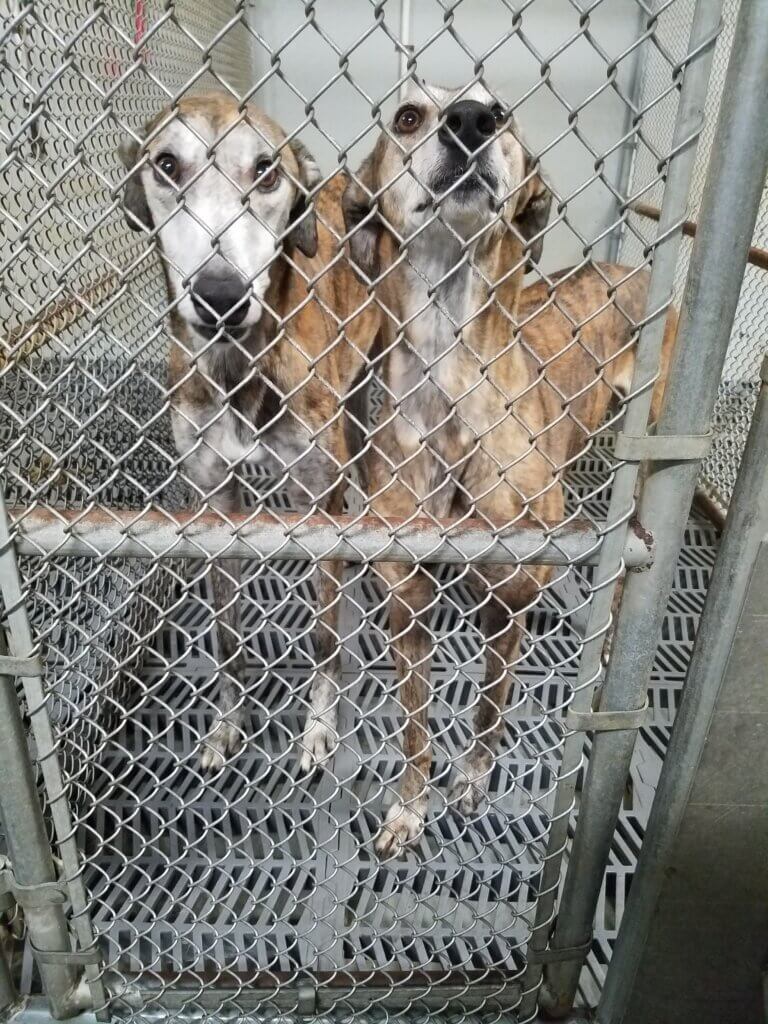
Most animals at the facility remain there—homeless and deprived of joy and affection, among other necessities—for life.
Even animals “retired” from blood draws—such as the elderly cats in a pen that workers euphemistically referred to as the “stairway to heaven”—were warehoused indefinitely. Squiggy—the oldest dog at TVBB at 15 years old—was still kenneled, despite no longer being used for blood. He was found “actively dying” and was euthanized, having never known a home or a family.
A worker explained that cats who were too small to use for blood would “just stay here until they die.”
No Quiet, No Comfort, No Escape
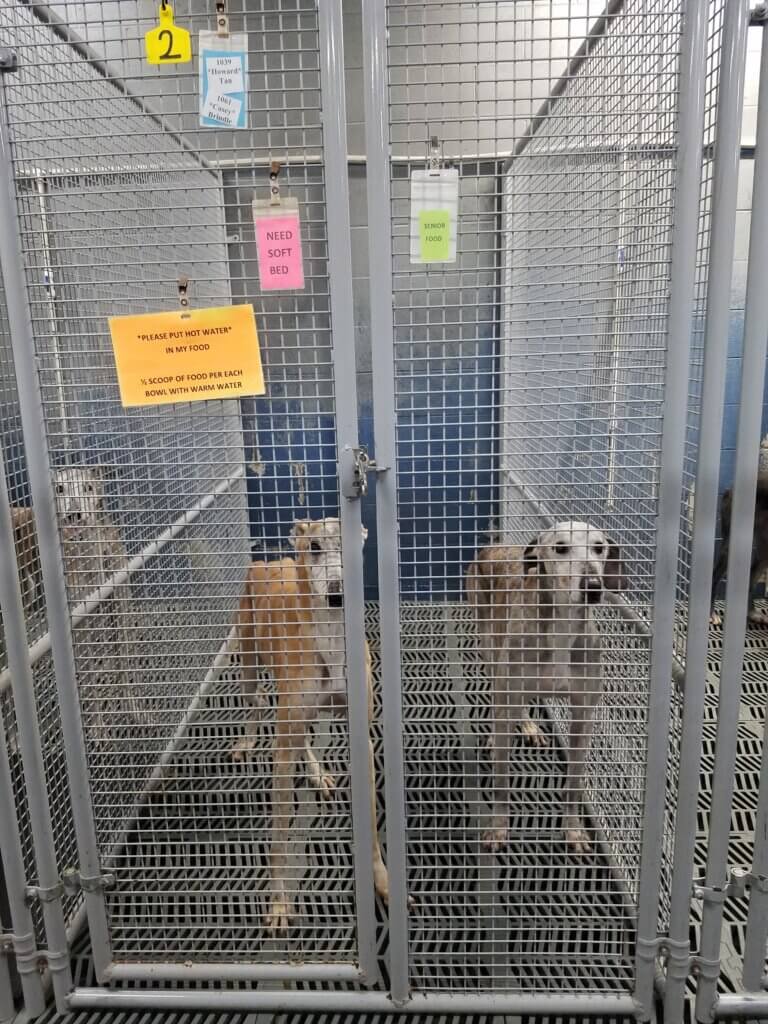
TVBB kept dogs in small, barren, deafeningly loud kennels for more than 23 hours a day. Staff only let dogs outside into concrete “play yards” while they cleaned.
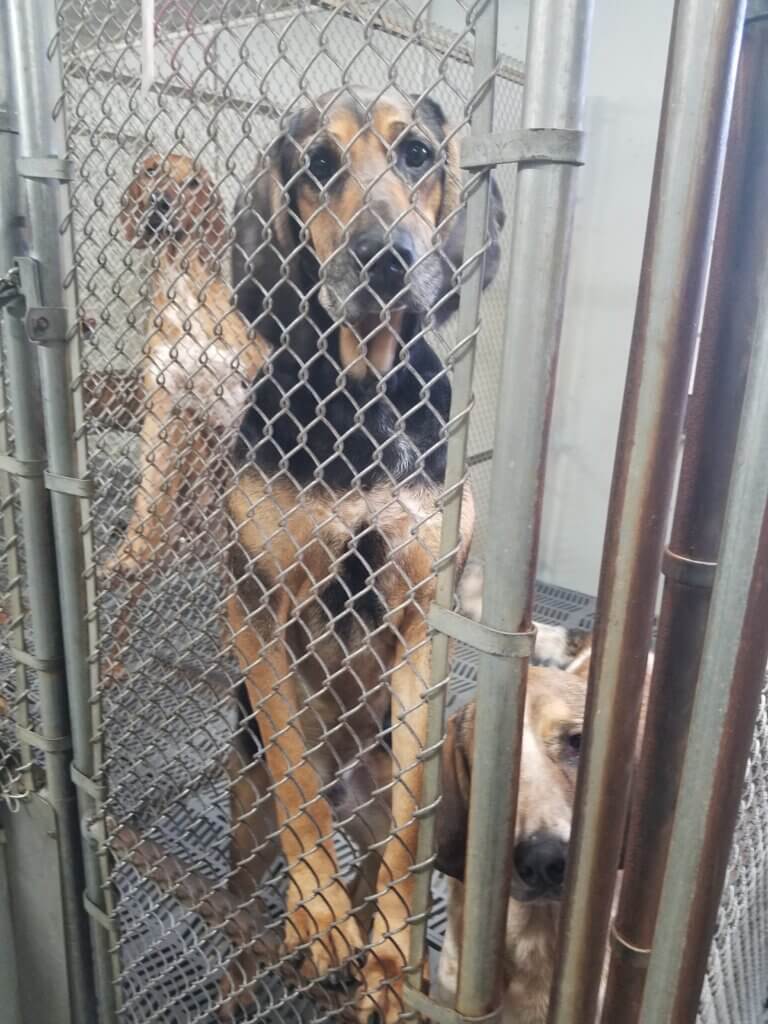
On Sundays, when nobody was scheduled to clean, the dogs didn’t go outside at all. Many dogs had pressure sores and growths from being forced to lie on hard, grated plastic floors, most with no bedding or even a resting platform—day after day, many of them for years.
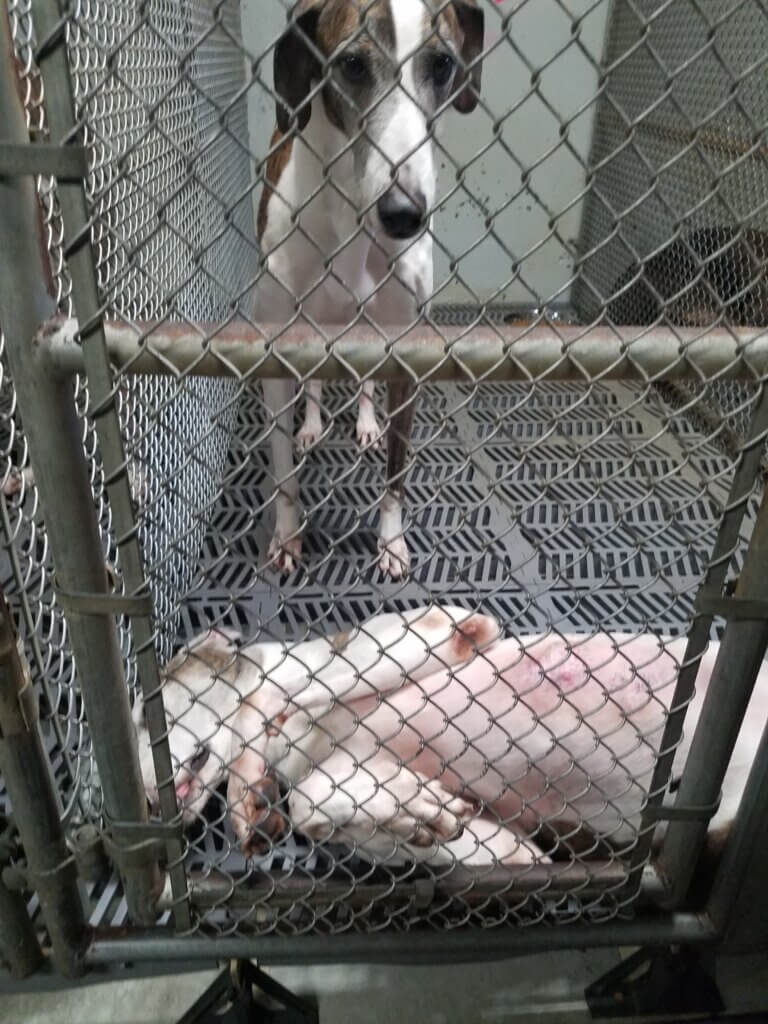
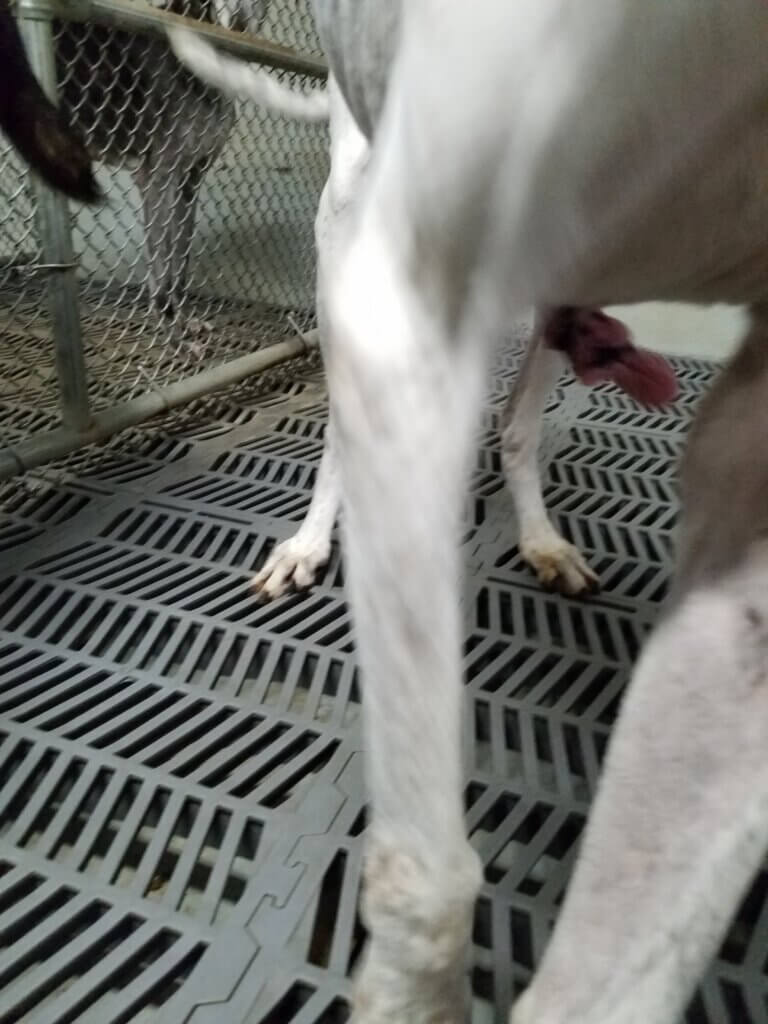
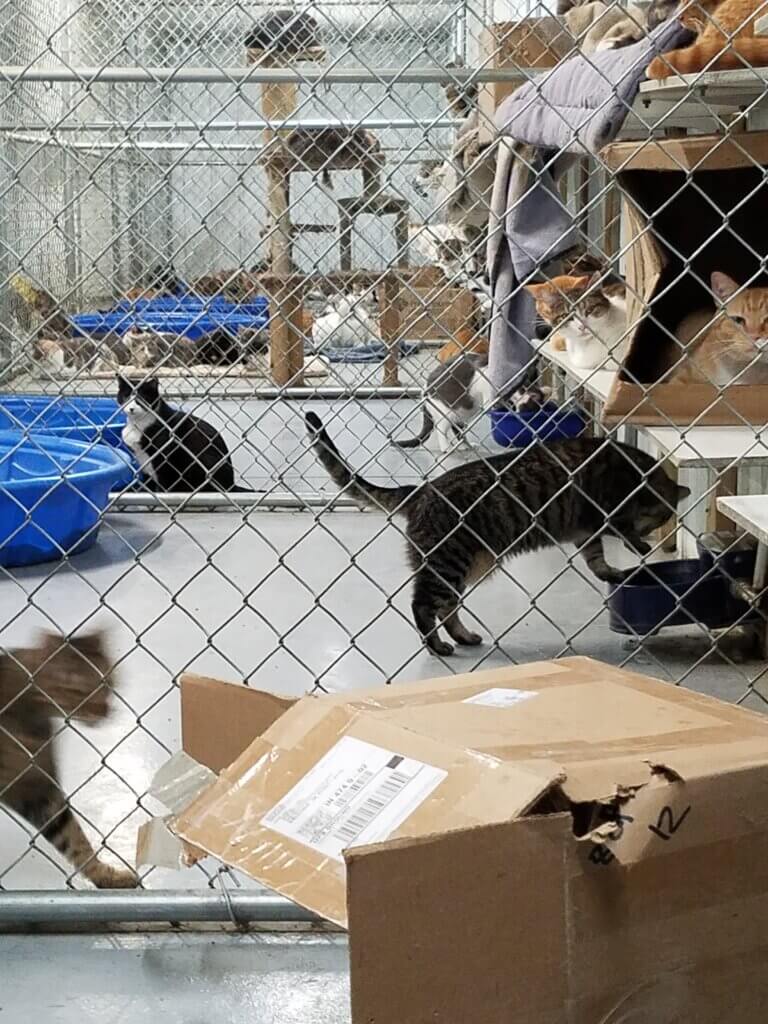
The facility crowded as many as 30 cats in pens that lacked adequate hiding places and enrichment—just a cardboard box, some milk crates, and a few ping-pong balls here and there. Staff forced cats to compete for access to food, water, perches, and plastic kiddie pools of litter, which weren’t scooped on weekends.
With nothing to do and no relief from chronic frustration and loneliness, cats climbed the walls and dogs barked continuously.
The stressful conditions led some dogs to fight. Howard’s kennelmate attacked him at least three times before the two dogs were finally separated. After Clara and Parker fought, staff still let them out together. They fought twice more, resulting in a wound to Clara’s leg that required staples.
After an apparent fight with her kennelmate, Isabella developed cellulitis—a deep infection of the skin and underlying tissue—causing a massive wound that still hadn’t healed seven weeks later. Another dog, Joey, suffered from a similar wound to his foot. About 12 weeks later, workers found that his leg was broken. Bobo sustained an ear injury in an apparent fight, and he subsequently lost weight, but his blood was still drawn for sale.
‘Where You Get [Them] From Is Not My Business’
TVBB breeds puppies and kittens so that their blood can be extracted for their entire lives—usually a decade or more—and then sold. Workers tattooed animals’ ears with numbers. A senior worker explained that they began drawing puppies’ blood when they were only 6 months old.
While TVBB claims to be a “closed colony”—a phrase that suggests a level of safety to veterinary hospitals seeking to purchase safe blood products—many animals at the facility actually came from random sources. For instance, a worker brought in a puppy she couldn’t find a home for as well as her neighbor’s unwanted dog. A manager asked the investigator if they knew of “no-kill” shelters that might give dogs to the facility.
A manager offered and apparently paid workers $200 for each cat they brought to the facility to be used for blood, saying, “Where you get [them] from is not my business.”
She explained that she had acquired other cats by answering online ads seeking homes for the animals, offering to give them a “good home.” Workers even gave the facility their own cats and brought in strays.
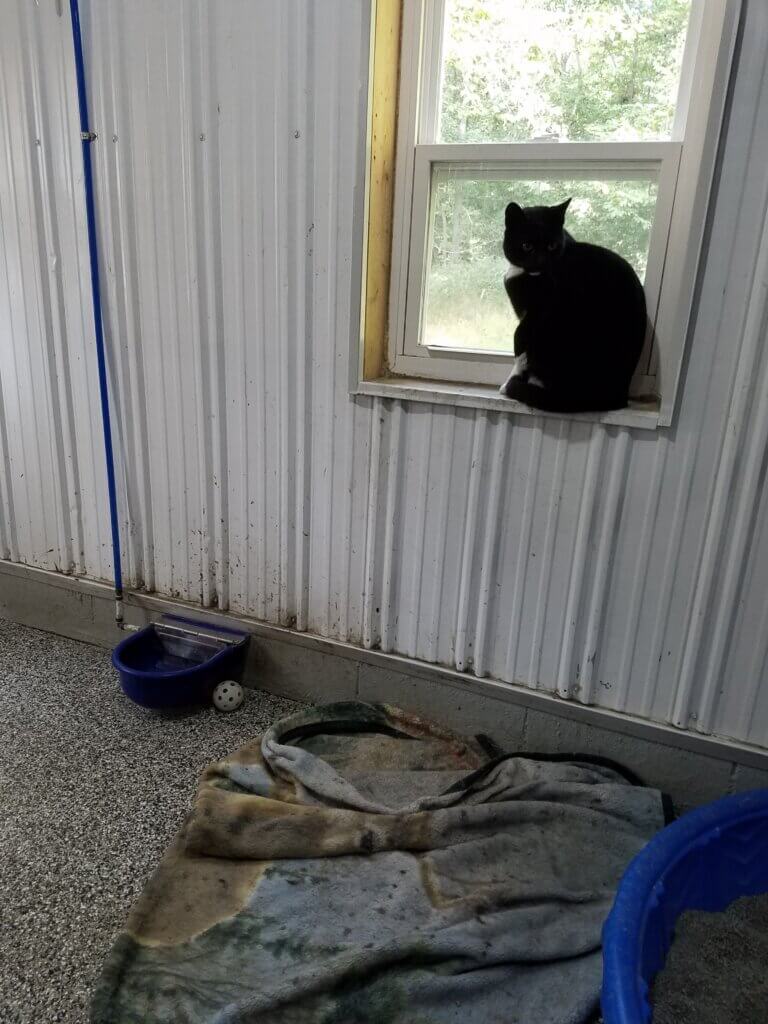
Newly arrived cats were kept in an outdoor shed and sometimes tested positive for contagious diseases such as feline herpesvirus and mycoplasma—but they would still eventually be used for blood. After a worker brought in kittens she said she had “found off … Facebook,” one died, apparently having received no veterinary care.
Sick Animals’ Blood Bound for Dying Animals
Animals who need blood transfusions are typically critically ill or injured—they depend on the blood they receive to be healthy and uncontaminated. But if patients at a veterinary hospital receive blood purchased from TVBB, there’s a good chance it was taken from animals who were themselves sick, injured, elderly, or medicated—putting the well-being of both the “donor” and recipient animals at risk.
Greyhounds named Franklin and Baxter were apparently diagnosed with bone cancer, but staff continued to draw both dogs’ blood, including just eight days before Baxter was found dead in a kennel. Workers also drew blood from Reba, a dog who suffered from seizures and was on several medications. They took blood from dogs receiving pain medication, antibiotics, and thyroid supplements.
A manager instructed workers to draw blood for sale from Cox, a cat with a chronic ear infection who stopped breathing under anesthesia, and Chelsea, a cat who had lost more than 10% of her bodyweight in three weeks.
The facility’s co-owner—a veterinarian—thought that Abel, a cat with bloody nasal mucus, likely had feline herpesvirus but still allowed his blood to be sold. Workers drew blood from Dobby, a cat with green nasal discharge, and Bambi, a cat with chronically red, squinting eyes. They confined cats with chronic upper respiratory symptoms—including those whose blood was still taken for sale—to what was called the “sneezy, snotty pen,” where dried nasal discharge accumulated on the walls.
Animals Bled From Cradle to Grave
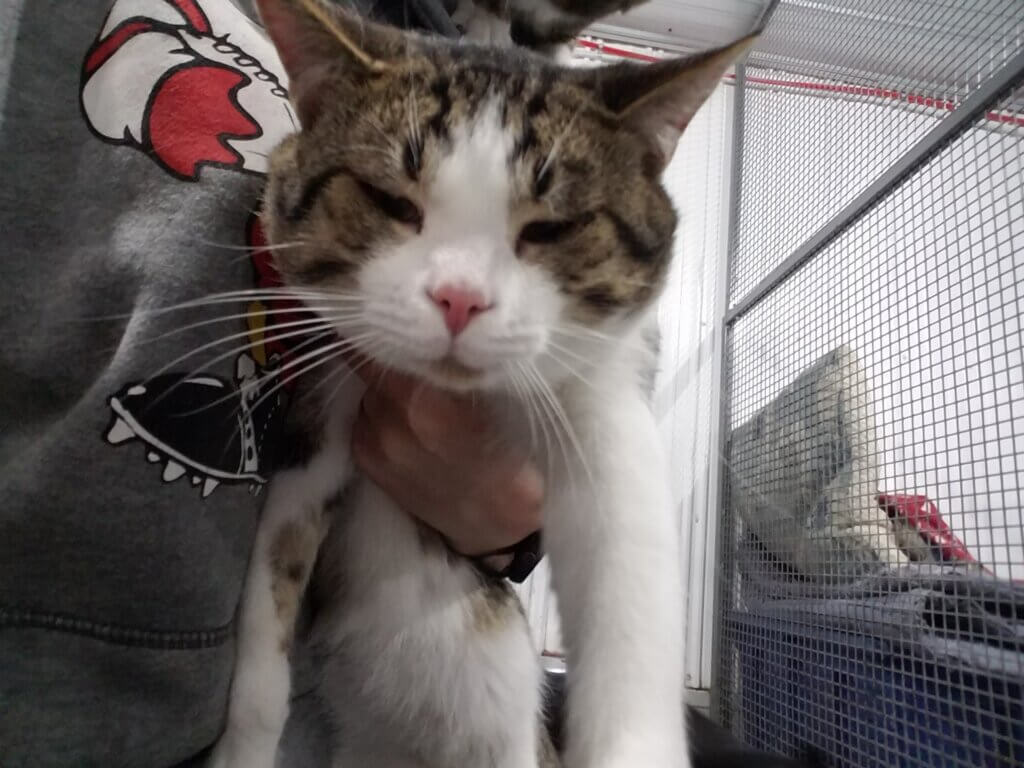
Workers at TVBB draw blood from the dogs approximately every three weeks. The amount of blood taken repeatedly for years—roughly 15 ounces from dogs and 2 ounces from cats—is far more than the small amount taken during a routine blood test at a veterinary clinic. Accounting for the relative size of the animals, it’s comparable to a pint of blood that a human might donate during a blood drive no more than every two months. And just like in humans, the process can leave dogs and cats feeling tired and nauseous. Imagine being kept in a tiny prison cell and having a pint of blood taken from you every three weeks for your entire life.
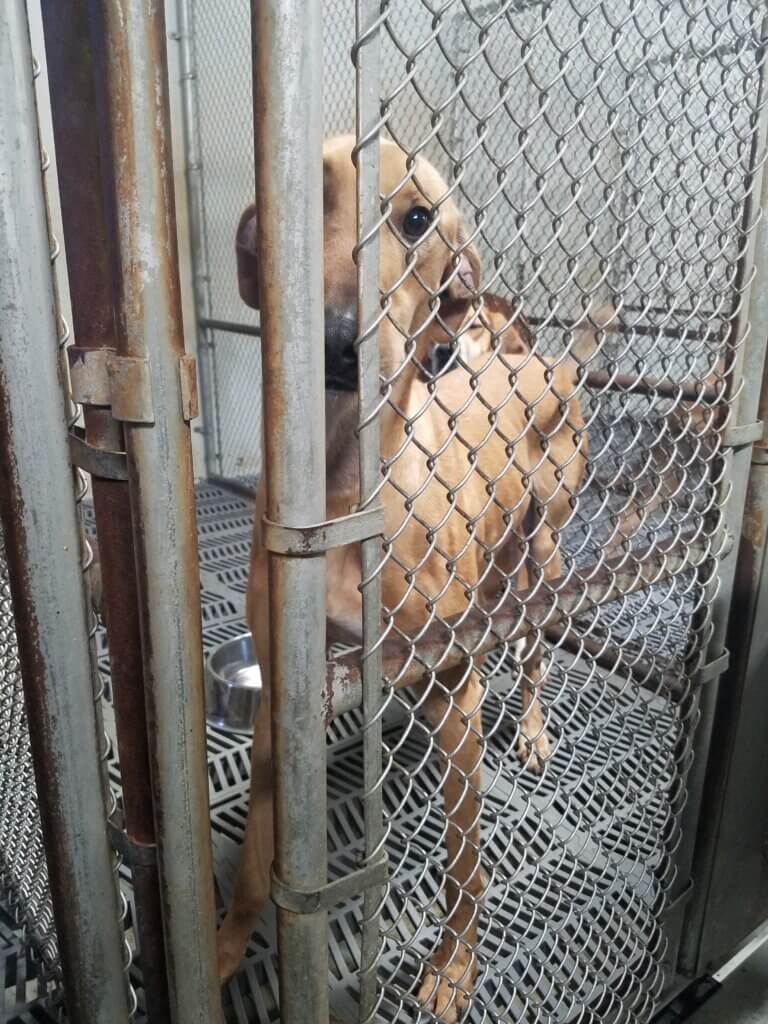
Animal blood-banking guidelines indicate that dogs and cats used for blood for transfusions should be no more than around 8 years old, to protect their own health and that of the animals receiving their blood. But at TVBB, there was no set age limit at which animals were “retired” from blood draws.
Sheldon—an emaciated 12-year-old greyhound with weak back legs—was still subjected to blood draws, including just 17 days before he was euthanized. Blood was taken for sale from Dorothy just 15 days before the trembling 12-year-old greyhound was found unable to sit up and screaming in pain.
A worker attributed open wounds on 12-year-old Keith’s hips and shoulders to his emaciated condition but drew his blood anyway. Rugar, also 12 years old, was still used for blood—and still kept in a hard-floored kennel with no resting platform—despite a large growth from his chest that apparently had started as a pressure sore.
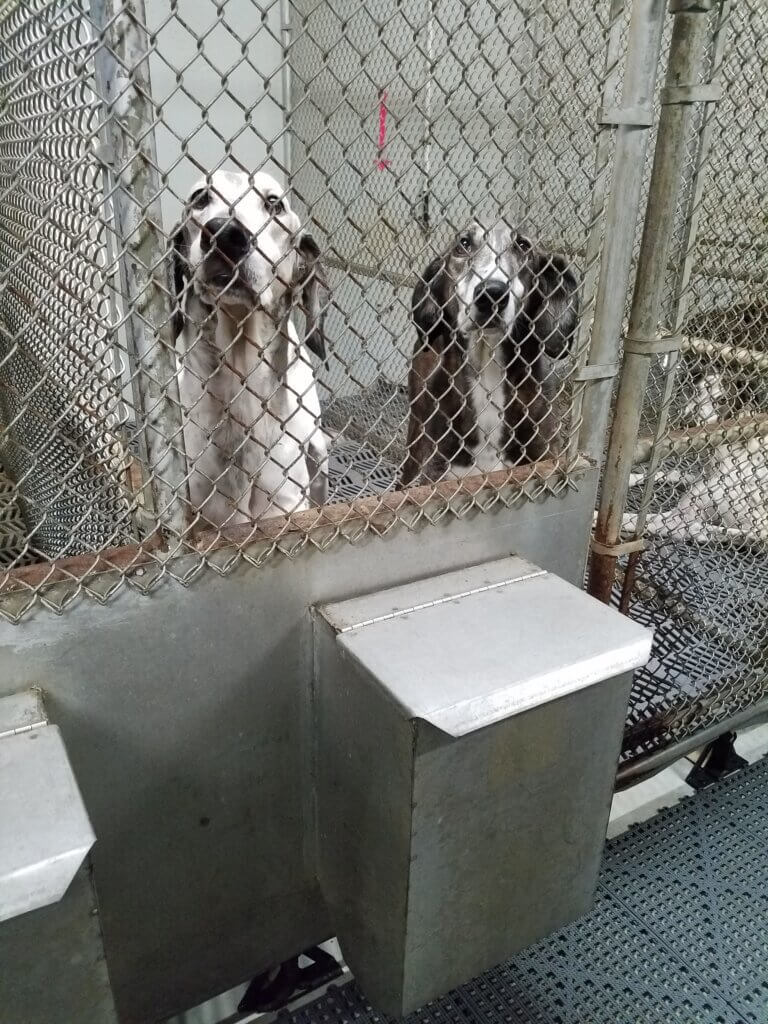
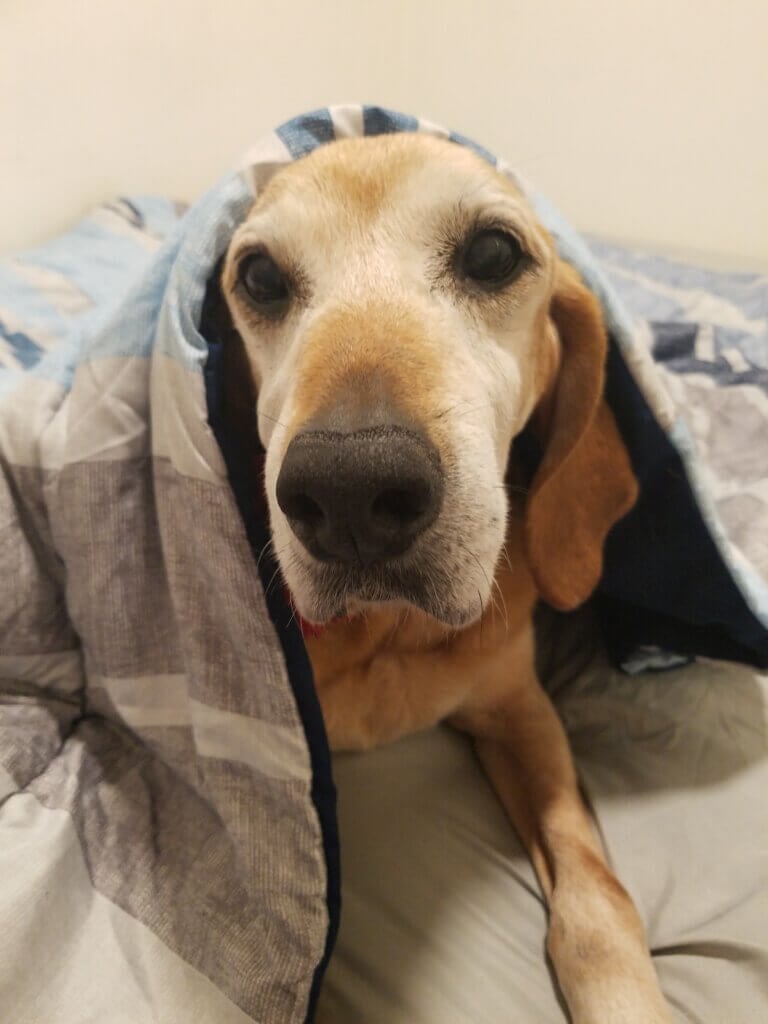
Even when dogs were “retired,” TVBB continued to warehouse them. The investigator adopted Kolbie, a 12-year-old “retired” hound who had been born at the facility and debarked in what a worker called a “horrible” and “gruesome” surgery that the blood bank’s owners used to perform to keep the dogs quiet.
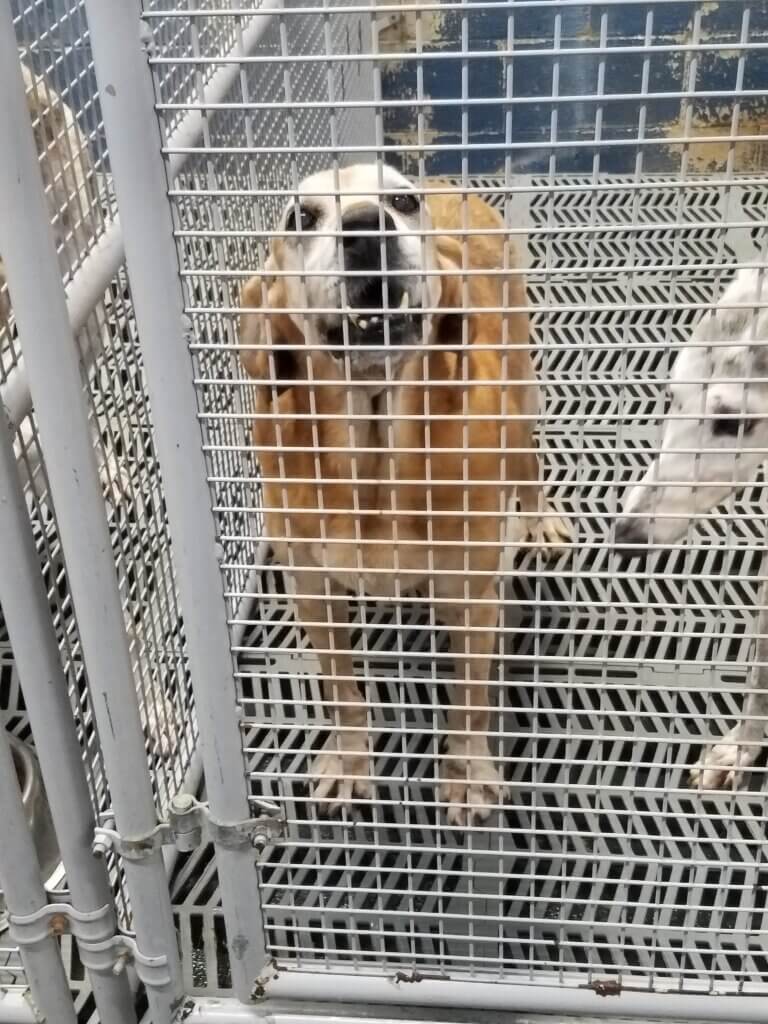
‘The Veterinarians’ Blood Bank’—but Where Are the Veterinarians?
Despite the blood bank’s name—and even though it’s owned by two veterinarians—the veterinary presence and supervision at TVBB was negligible. Most days, no veterinarian stepped foot in the facility. The one who did typically stayed for only 30 minutes, and it was sometimes unclear whether he even examined animals with injuries or chronic health conditions, which many of the hundreds of animals on site had.
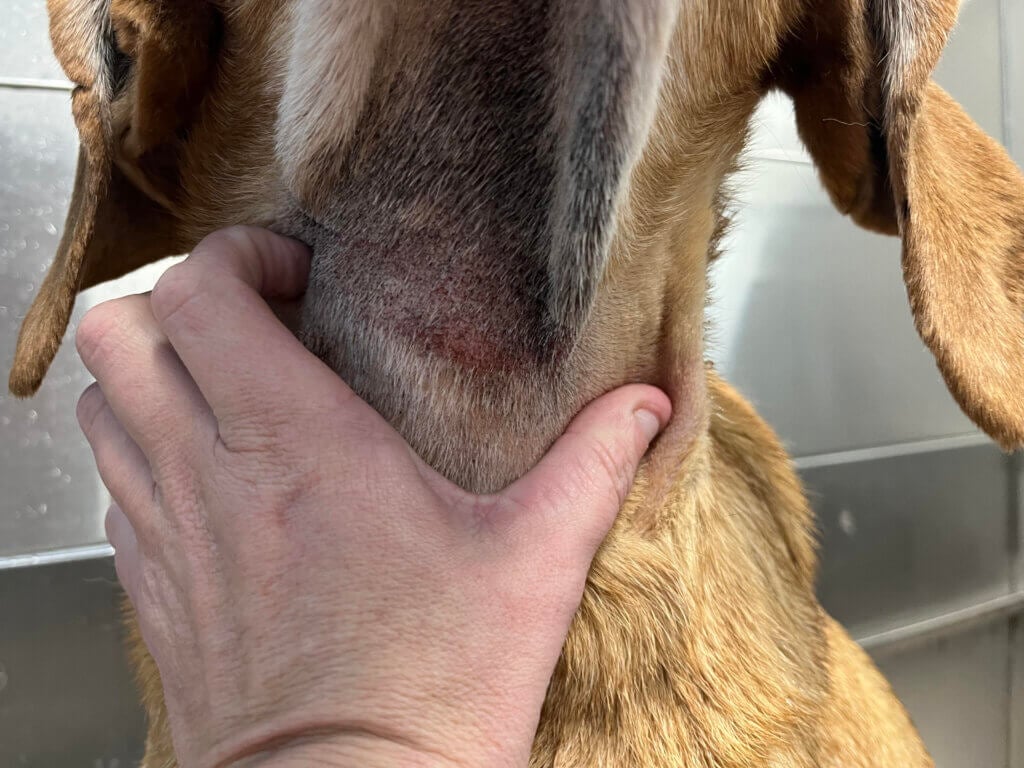
Laypeople with no veterinary credentials performed “dentals” and even pulled dogs’ teeth out. A worker extracted eight blackened teeth from a dog named Foster, who struggled to breathe under anesthesia—without any veterinary supervision. Workers with no veterinary licensure administered vaccines, anesthetized animals, stitched wounds, and more.
Three Cats Freed, Thanks to PETA’s Intrepid Investigator
A manager said that Fox—a “retired” 13-year-old cat with bloody diarrhea, who was warehoused in the “stairway to heaven” pen—had “been going down a lot,” but Fox apparently didn’t receive a professional veterinary exam or treatment until PETA’s investigator adopted him. After several weeks of intensive care in a loving home with plenty of cozy bedding, Fox was euthanized after a veterinarian found that he had gastrointestinal cancer.
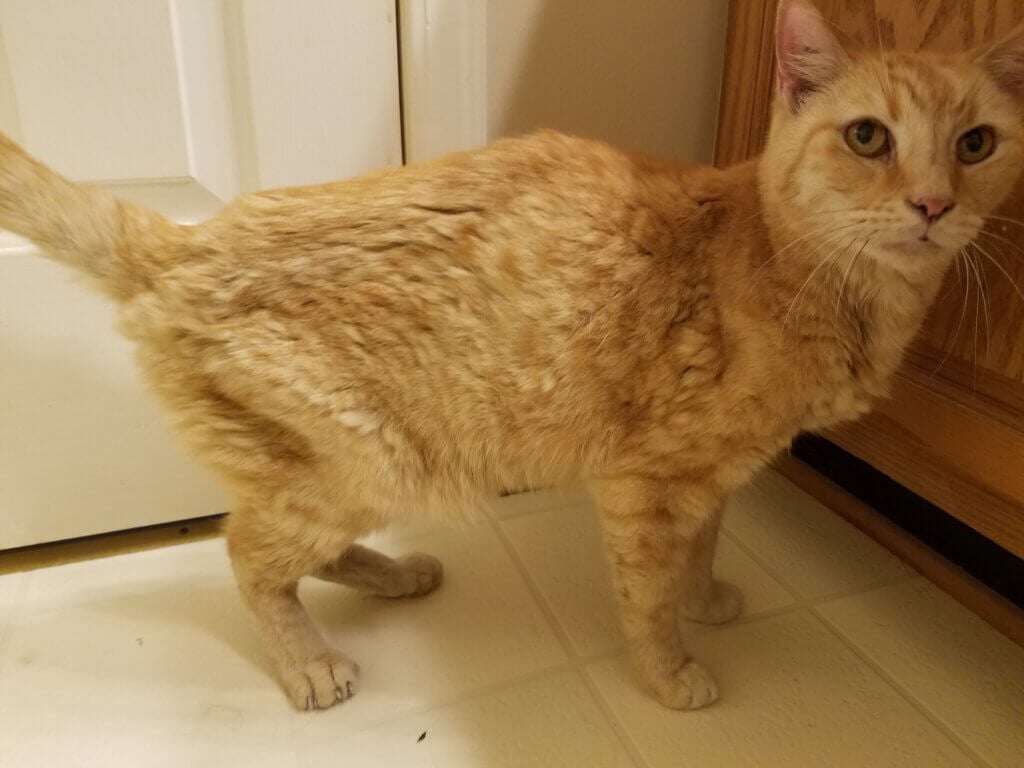
The manager said that she planned to leave Jane—a sickly cat whose blood had been drawn for sale less than three weeks prior—at “a barn out in a field” because she thought she had feline herpesvirus. The investigator adopted Jane and took her to a veterinarian, who found that her chronic nasal congestion and sneezing were the result of calicivirus, another highly contagious infection.
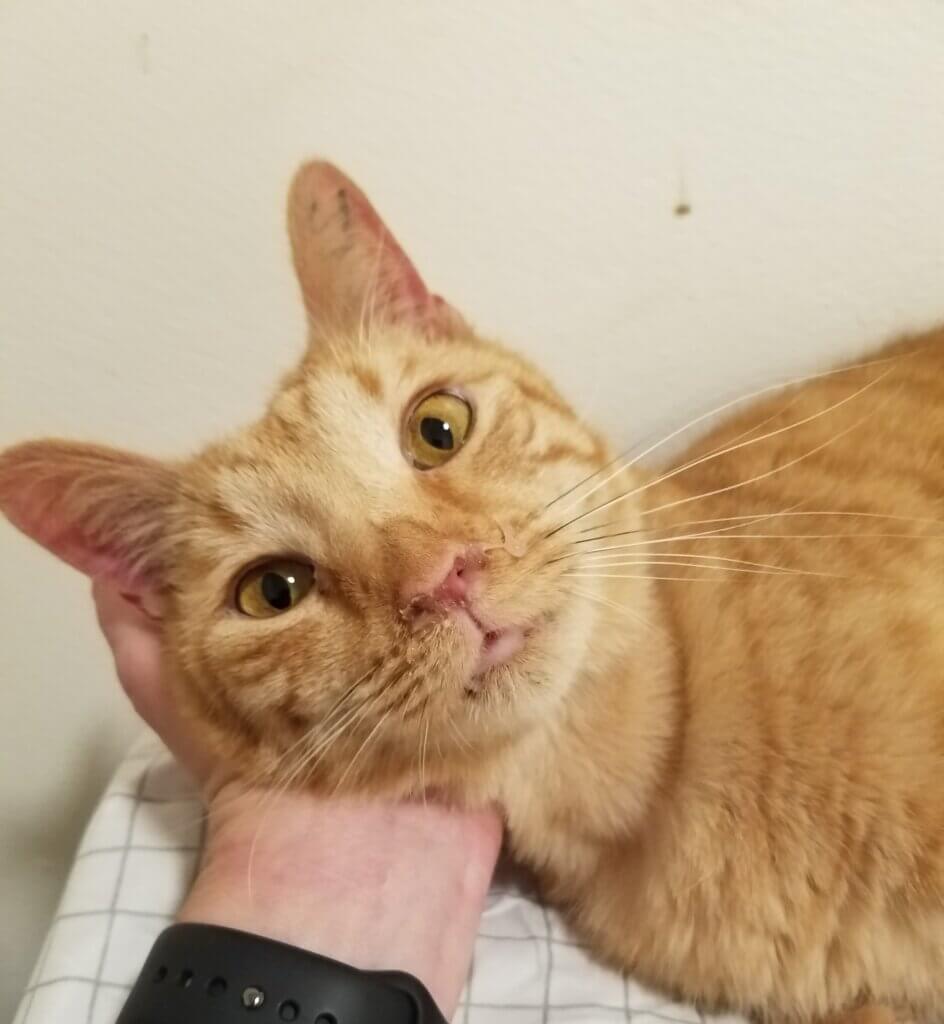
Vivi—a cat warehoused despite being too small to use for blood—cried out in pain from an apparent mouth infection. A manager said she needed to have teeth pulled—and that she thought the cat would become malnourished “and die” if not provided with this care—but for many months, she refused the investigator’s offer to adopt her. She later admitted that Vivi’s mouth was “still really bad,” despite having given her a “dental,” and she finally allowed the investigator to adopt the cat and get her the care that she so desperately needed.
You Can Help Dogs and Cats Warehoused for Blood
PETA has submitted detailed evidence to Indiana authorities, but state officials have taken no meaningful enforcement action and Jackson County Prosecuting Jeffrey Chalfant has refused to file criminal neglect charges against those responsible for denying sick cats veterinary care at TVBB. That’s why we need you to speak up for the hundreds of dogs and cats who are still languishing in this miserable prison.
First, please urge Indiana Gov. Mike Braun to help these forgotten, suffering animals.
Then ask BluePearl Pet Hospital and VCA Animal Hospitals to confirm that they’ve permanently stopped sourcing blood from TVBB and urge them to implement a policy against sourcing blood from captive animals. Please email polite comments to the president of BluePearl Pet Hospital and take action on the form below:
Nicholas R. Nelson, D.V.M., M.B.A.
President
BluePearl Pet Hospital
[email protected]
Click here to share your gratitude with the investigator who uncovered this suffering. If you think you have what it takes to carry out undercover investigations like this one, we want to hear from you.